Primary Fence of georgia
The Ultimate Guide to Wood Fence Styles for Your Property
Choosing a wood fence is not just about looks. It also affects privacy, security, maintenance, and even the value of your property. With so many wood fence styles available, it’s easy to feel overwhelmed.
In this guide, you’ll find a complete overview of the most popular wood fence styles, their uses, pros and cons, and the key factors to consider before making a decision. The goal is to help you choose the best wood fence for your home, yard, or property.
Why Choose a Wood Fence?
Wood fencing remains one of the most popular choices for residential properties, and for good reason.
Some of the main benefits include:
- Versatile appearance: wood works well with modern, traditional, and rustic homes.
- High level of customization: you can paint, stain, or leave it natural.
- Affordable compared to other materials.
- Clear property boundaries and privacy.
Many homeowners also prefer wood because it offers a warmer, more natural look than metal or vinyl fencing.
Types of Wood Fence Styles (With Examples)
Below are the most common types of wood fences and the situations where each one works best.
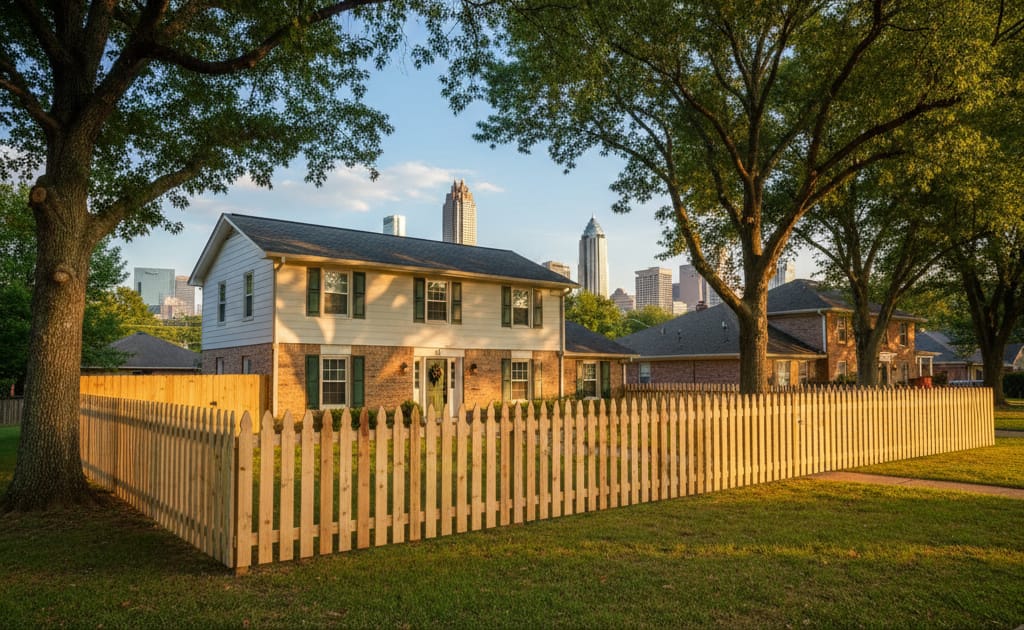
Picket Fence
The classic fence style most people associate with residential homes.
Key features:
- Evenly spaced vertical boards.
- Medium to low height.
- Open and decorative design.
Best for:
- Front yards.
- Decorative boundaries.
- Properties where curb appeal matters more than privacy.
While it doesn’t provide much privacy, it’s one of the most visually appealing wood fence styles.
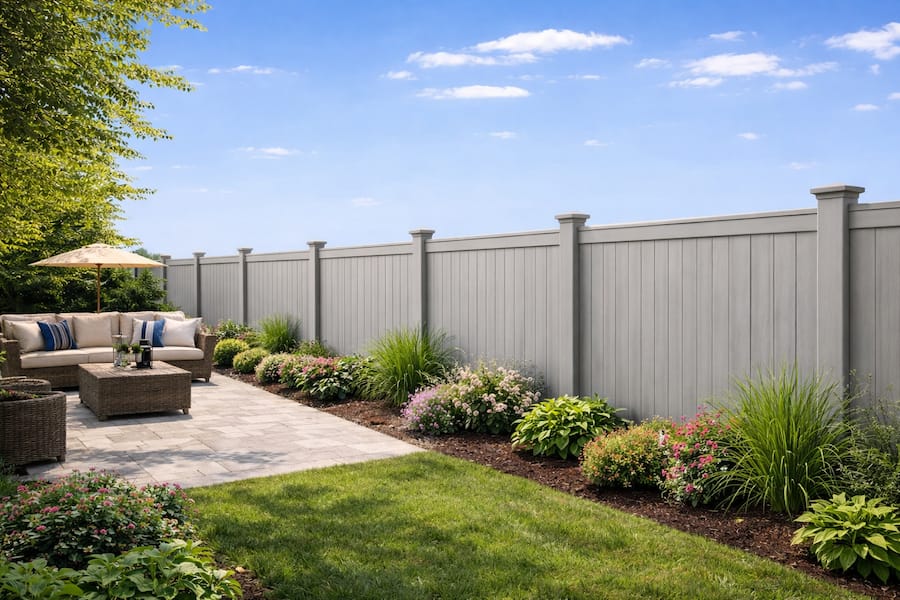
Privacy Wood Fence
If privacy is your main goal, this is the best option.
Key features:
- Tightly placed vertical boards with no gaps.
- Taller panels.
- Blocks visibility and reduces noise.
Best for:
- Backyards.
- Homes with close neighbors.
- Families with children or pets.
Privacy fences are among the most popular wood fencing options, although they require more maintenance due to the amount of exposed wood.
Split Rail Wood Fence
A traditional style often seen in rural or large properties.
Key features:
- Horizontal rails supported by posts.
- Open and functional design.
- Uses less wood than other styles.
Best for:
- Large properties or ranches.
- Marking boundaries or pathways.
- Rustic or countryside aesthetics.
This style offers little privacy but is affordable and easy to install.
Wood Fence with Lattice Top
A combination of functionality and decorative design.
Key features:
- Solid panels on the lower section.
- Lattice or crisscross pattern on top.
- Balanced privacy and airflow.
Best for:
- Backyards that are partially visible.
- Homeowners looking for a more elegant look.
- Supporting climbing plants.
This type of wood fence adds character without completely closing off the space.
Key Factors to Consider Before Choosing a Wood Fence
Before selecting a specific style, consider the following factors carefully.
Durability and Climate
Not all wood performs the same in different weather conditions.
- In humid climates, pressure-treated wood is essential.
- In sunny areas, regular sealing helps prevent cracking and fading.
- Proper maintenance directly affects fence lifespan.
Privacy vs. Appearance
Ask yourself what matters most:
- Maximum privacy?
- A decorative, open design?
Answering this will help you narrow down the best wood fence styles for your needs.
Cost and Materials
The cost of a wood fence depends on:
- The type of wood used.
- Fence height and total length.
- Installation complexity.
More enclosed fences usually cost more but provide greater functionality.
How to Maintain a Wood Fence
With proper care, a wood fence can last many years.
Sealing and Treatments
- Apply a sealant or stain every 2–3 years.
- Protect the wood from moisture, insects, and UV rays.
- Prevent water from pooling at the base of fence posts.
Common Repairs
- Replace cracked or warped boards.
- Pressure washer
- Reinforce loose posts.
- Preventive maintenance is always cheaper than replacing the entire fence.
Frequently Asked Questions About Wood Fences
What is the best wood fence style for privacy?
Solid panel privacy fences provide the highest level of privacy.
Do wood fences require a lot of maintenance?
Yes, more than vinyl or metal, but proper sealing greatly extends their lifespan.
What type of wood is best for outdoor fencing?
Pressure-treated wood is the most commonly used due to its durability.
Can a wood fence increase property value?
Yes. A well-designed and well-maintained wood fence can improve curb appeal and perceived value.
Conclusion
Choosing the right wood fence style for your property comes down to balancing appearance, functionality, budget, and maintenance. From decorative picket fences to full privacy solutions, wood fencing offers flexible options for almost any residential need.
By evaluating your space, local climate, and intended use, you can confidently select a wood fence that enhances your property for years to come.
continue reading
Related Posts

Homeowners Associations, commonly known as HOAs, play a major role in many residential communities. If you’re buying a home—or already own one—in a neighborhood governed by an HOA, understanding how it works is essential.
-
Learn how to maintain your composite fence the right way. Cleaning tips, stain removal, and what NOT to do to protect your investment.